Seeking Jesus First Feb. 3, 2026

From Heaven and Above All
Today’s Reading: John 3:31–36
(Read the full passage before reflecting below.)
“He who comes from above is above all; he who is of the earth is earthly and speaks of the earth. He who comes from heaven is above all.” (John 3:31, NKJV)
As John the Baptist’s testimony draws to a close, Scripture lifts our eyes upward. This passage is not merely about contrast—it is about authority, origin, and response. John points us away from every earthly voice and fixes our attention on the One who comes from heaven.
Jesus is not simply another messenger among many. He who comes from above is above all. His words carry weight because of where He comes from. Earthly teachers speak from experience, study, and observation. Jesus speaks from direct knowledge. He testifies to what He has seen and heard in the presence of the Father. This is heavenly testimony—not speculation, not philosophy, not opinion.
Yet John makes a sobering observation: “No one receives His testimony.” This does not mean that no one ever believes, but that belief is not automatic. Truth can be proclaimed clearly and still be resisted. Light can shine brightly and still be rejected. The issue is not the clarity of the testimony, but the posture of the heart.
Then comes a quiet but powerful promise: “He who has received His testimony has certified that God is true.” To believe Jesus is to affirm the faithfulness and truthfulness of God Himself. Faith is not blind—it is agreement. When we receive Christ’s testimony, we are saying, “God, You are true. Your Word is trustworthy. Your witness stands.”
John then draws us deeper into the relationship between the Father and the Son. “For He whom God has sent speaks the words of God, for God does not give the Spirit by measure.” Jesus speaks God’s words because He is fully entrusted with God’s Spirit. There is no limitation, no restraint, no partial filling. The fullness of God rests upon Him.
This leads to one of the most profound statements in the Gospel of John: “The Father loves the Son, and has given all things into His hand.” Love and authority are joined here. The Father’s love is not passive affection—it is active entrustment. Because the Father loves the Son, He places everything into His care. Judgment, life, salvation, and inheritance all flow through Christ.
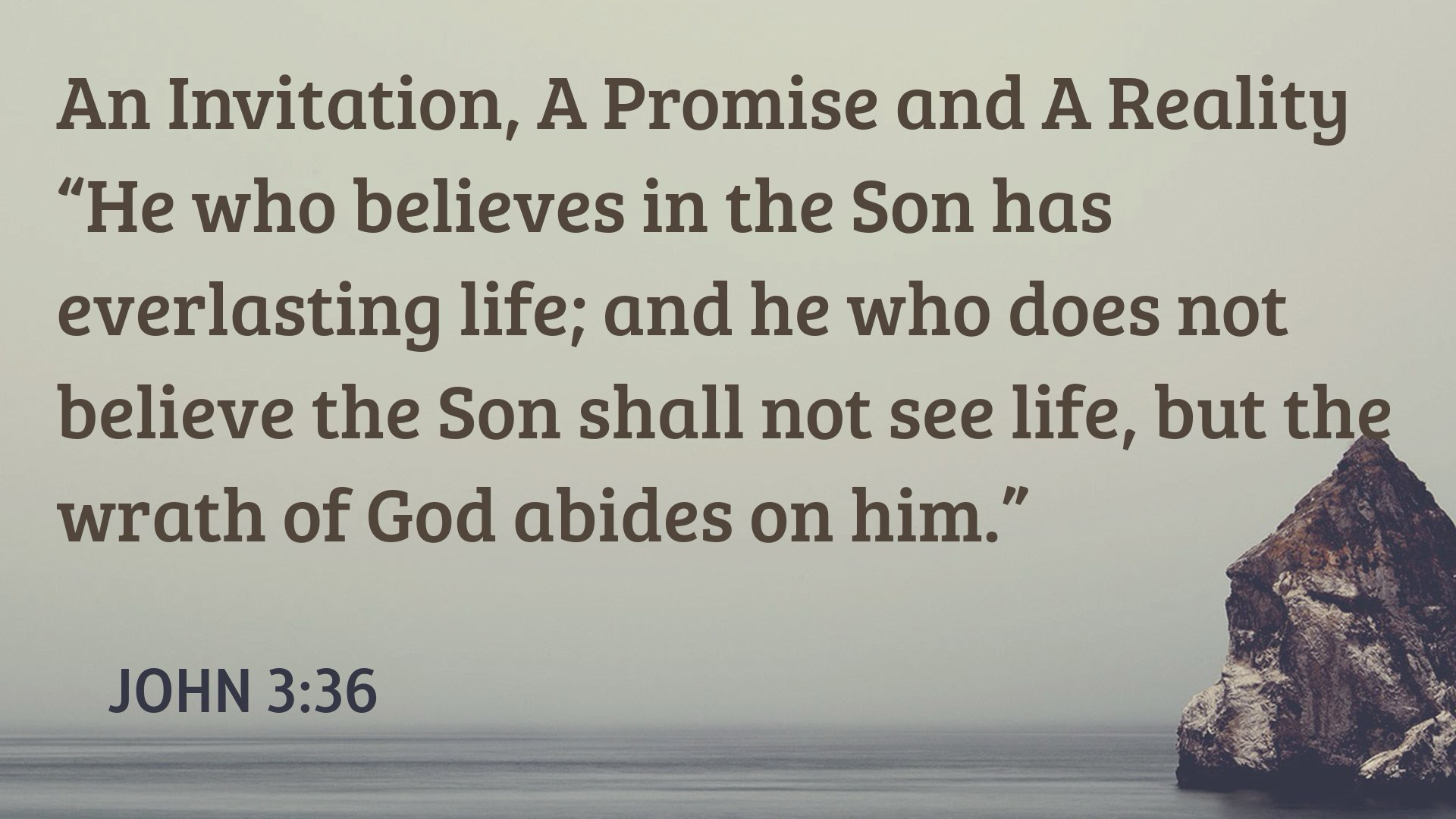
The passage then brings us to a decisive fork in the road. “He who believes in the Son has everlasting life; and he who does not believe the Son shall not see life, but the wrath of God abides on him.” Eternal life is not merely future—it is present. To believe is to possess life now. To refuse belief is not to remain neutral; it is to remain under what already exists apart from Christ.
This is not condemnation driven by anger, but reality revealed by light. Jesus does not bring wrath into the world—He reveals the way out of it. Belief transfers us from death to life, from wrath to reconciliation, from earth to heaven.
John 3 closes by placing everything where it belongs: above. Christ is from above. His testimony is from above. Life is given from above. And belief lifts us into that heavenly reality.
Today’s devotion invites a simple but profound response. Whose testimony are we trusting? Earthly voices shift, fade, and contradict one another. But the One who comes from heaven speaks what is eternally true.
To believe in the Son is to receive life—not someday, but now.
To receive His testimony is to declare that God is true.
To trust Christ is to step into what heaven has already given.
He who comes from above is above all.