Seeking Jesus First Jan. 29, 2026

Light Has Come Into the World
Today’s Reading: John 3:1–21
(Read the full passage before reflecting below.)
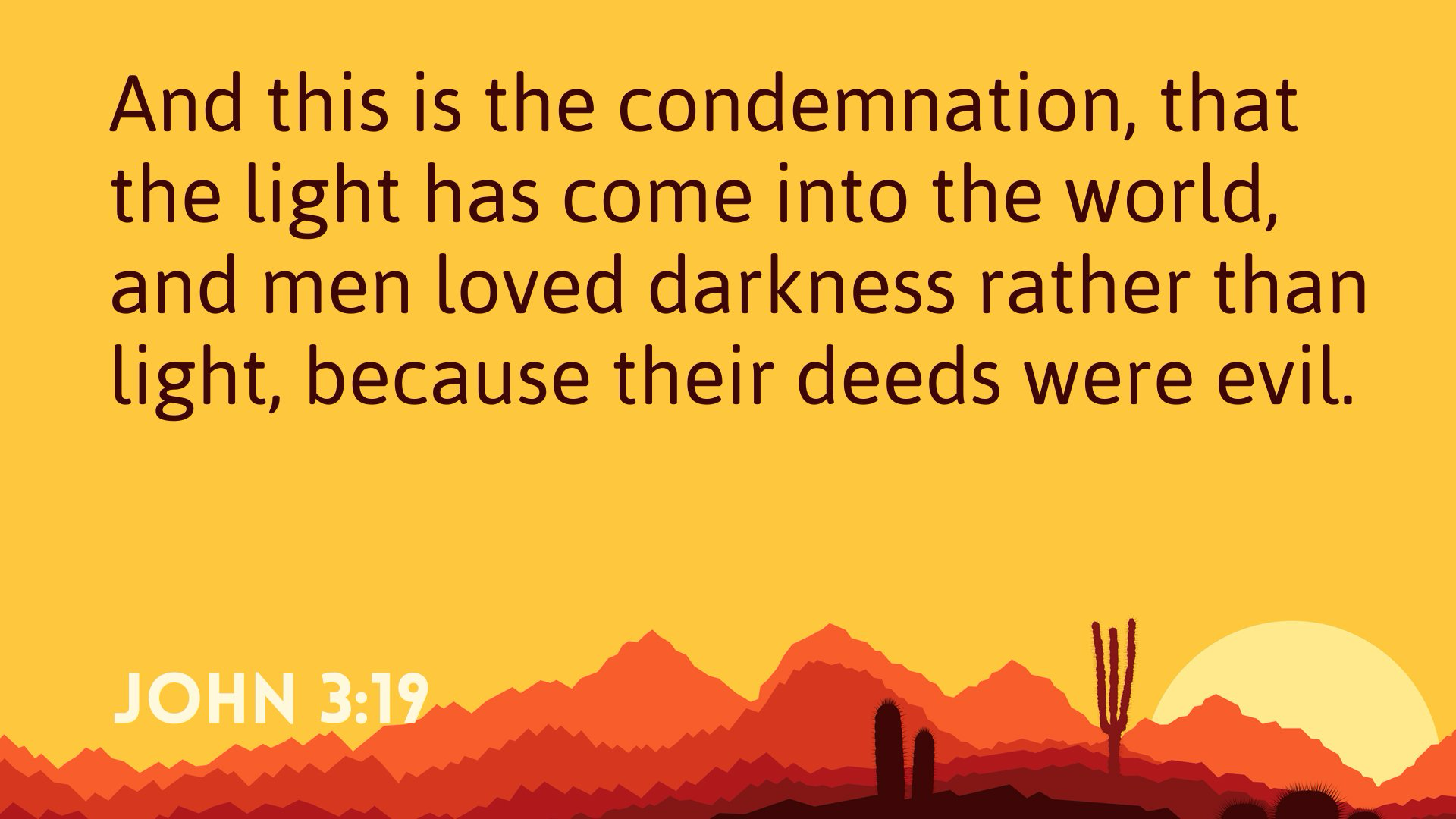
“And this is the condemnation, that the light has come into the world, and men loved darkness rather than light, because their deeds were evil.” (John 3:19, NKJV)
Jesus now brings His conversation with Nicodemus to its searching conclusion. Having spoken of new birth, faith, love, and salvation, He addresses the real dividing line of the human heart. “Light has come into the world.” The problem is no longer access to truth. The problem is response.
Light is not neutral. When light appears, it reveals what is already present. Darkness is not merely the absence of information—it is the hiding place of the heart. Jesus explains that people do not reject the light because they cannot see it, but because they love the darkness. Darkness allows concealment. Light invites exposure.
This does not mean that every person who avoids the light is deliberately wicked in the same way. It means that fallen humanity instinctively resists anything that exposes motives, confronts pride, or calls for surrender. Light disrupts control. Light challenges self-rule. And for many, that feels threatening.
Jesus makes a careful distinction. “Everyone practicing evil hates the light and does not come to the light, lest his deeds should be exposed.” Exposure is not punishment—it is revelation. The light does not create guilt; it reveals it. This is why Jesus’ coming forces a decision. Neutrality is not an option once the light is present.
Yet Jesus does not end with rejection—He ends with invitation.
“But he who does the truth comes to the light, that his deeds may be clearly seen, that they have been done in God.” This is one of the most beautiful lines in the Gospel. Coming to the light is not about pretending to be flawless. It is about living honestly before God. Those who come to the light are not claiming perfection—they are confessing dependence.
Doing the truth means living transparently before God, allowing His light to shape motives, desires, and actions. It is the opposite of hiding. It is trust expressed through openness. When we walk in the light, we discover that God is not waiting to shame us—He is working to transform us.
This passage shows us that belief is not merely intellectual agreement. Belief is a movement of the heart. It is choosing light over darkness, truth over concealment, surrender over control. Faith does not merely accept that Jesus is the Light—it steps into His light.
Nicodemus began this conversation in the night. John does not tell us how he leaves it. But the invitation is clear. The Light has come. What remains is the response.
Today, ask yourself gently: am I walking toward the light, or finding places to hide? Jesus did not come to expose us for destruction, but to reveal us for healing. The light of Christ does not lead to shame—it leads to life.
Light has come into the world. And those who come to it find that God has been at work all along.